We are standardizing microbiome therapies through hospital-based, automated capsule production
Standardizing microbiota therapy through automated capsule production platforms for hospitals and clinics.
Our platform enables hospitals and clinics to produce standardized oral microbiota capsules safely and efficiently. By integrating automated processing, controlled handling, and reproducible workflows, we support reliable delivery of microbiota therapy in clinical settings.
Our platform is supported by clinical experience and emerging evidence demonstrating the potential of microbiota therapy across multiple indications. This includes outcomes in more than 1,000 patients with recurrent Clostridioides difficile infection (rCDI), with approximately 80% efficacy following a single-dose treatment. A randomized controlled clinical trial in 84 patients further demonstrated a 60% success rate in eradicating antibiotic-resistant bacteria. Exploratory applications have also shown promising results in Crohn’s disease and in a cohort of 18 patients with anorexia.
These findings are supported by abstracts and published work, highlighting the feasibility and clinical relevance of standardized microbiota capsule delivery in hospital settings.
Designed for Hospital-Based Implementation
From 7 August 2027, EU Regulation (EU) 2024/1938 will classify stool banks and FMT facilities as Substances of Human Origin (SoHO) entities, aligning their handling with established blood and tissue frameworks.
Our patented microbiota production platform enables hospital-based FMT laboratories and blood bank environments to implement standardized, traceable, and compliant capsule production.
This positions healthcare institutions to independently deliver microbiota therapy within a regulated clinical framework.
500 FMT-capsule component treatments produced annually
Hospital-based production since 2020
Innovation fond Denmark and Eureka-Eurostars funded
Automated production platform under development
Successful Clinical studies in rCDI and resistant bacteria, Anorexia nervous, microscopic colitis etc.
International hospital collaborations, Helsinki-Finland, Bergen-Norge, Red cross blood-Australia
Our Story
Our mission is rooted in a personal experience with chronic intestinal disease.
After being diagnosed with Crohn’s disease in 1998 and experiencing repeated hospitalizations, our founder became increasingly aware of the limited treatment options available for patients with severe gastrointestinal disorders. Witnessing young patients undergo major surgical procedures highlighted the urgent need for new therapeutic approaches.
This inspired a research journey into microbiology, biotechnology, and the role of the gut microbiome in chronic disease. Beginning in 2009, this work focused on understanding how disruptions in the intestinal microbiota contribute to inflammatory bowel disease and other chronic conditions.
Today, this vision has evolved into the development of scalable microbiome therapeutic platforms designed for hospital-based implementation and clinical translation.
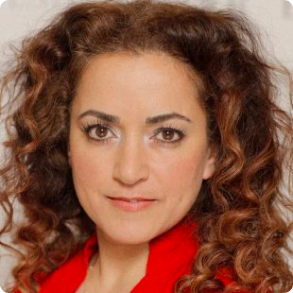
Hengameh Chloe Lauridsen
M.Sc., Ph.D., Senior Researcher Scientist
1Health Gut Inn Balance APS
Selected Ideas and publications
Decolonisation of a multidrug-resistant Escherichia coli and a vancomycin-resistant Enterococcus faecium after intervention with faecal microbiota transplantation
The Efficacy of Faecal Microbiota Transplant and Rectal Bacteriotherapy in Patients with Recurrent Clostridioides difficile Infection: A Retrospective Cohort Study
Our platform is developed in collaboration with clinical, industrial, and innovation partners.
Industrial collaborators supporting the development and manufacturing of the platform include Harro Höfliger and Medesign.
Intellectual property and patent-related work is supported by Larsen & Birkeholm.
In addition, the project is supported by national and European funding programs, including Innovation Fund Denmark, Eurostars (co-funded by the European Union), and Erhvervshuset.
Warning: Undefined variable $cookies in /var/www/gut-in-balance.com/public_html/wp-content/plugins/lightweight-cookie-notice/public/class-daextlwcn-public.php on line 364